Get access to a skills support
network that's with you for life

Take ownership
The City as a School network is controlled by you– the learners– and the providers, a combination of individual teachers and learning centres. You choose when, where and how you learn.

Personalised support
Get flexible support depending on your unique needs and goals. You can start by joining one online community for free, then decide if you want to attend in-person events or work with an accredited learning guide.

Future-proof your career
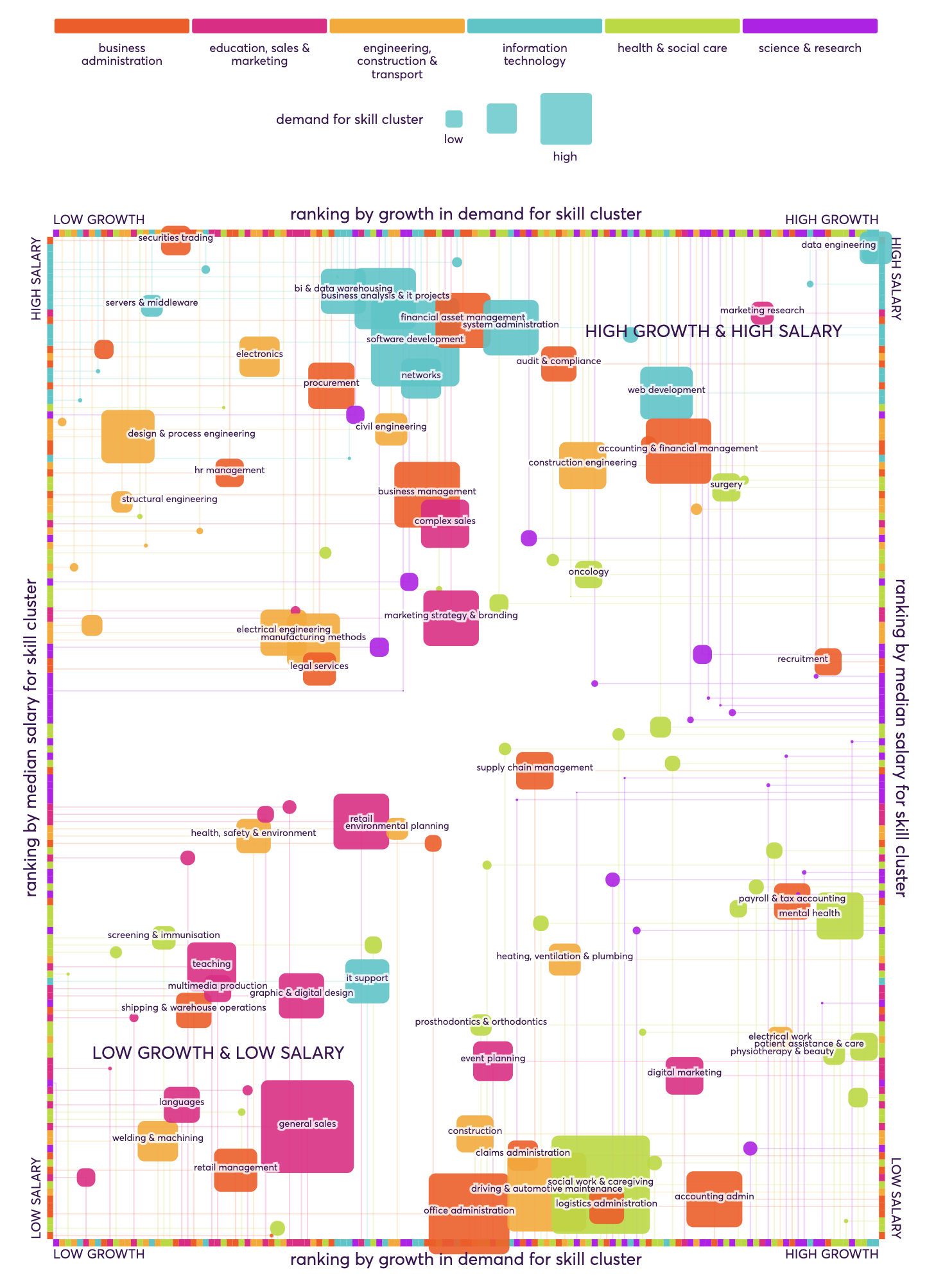
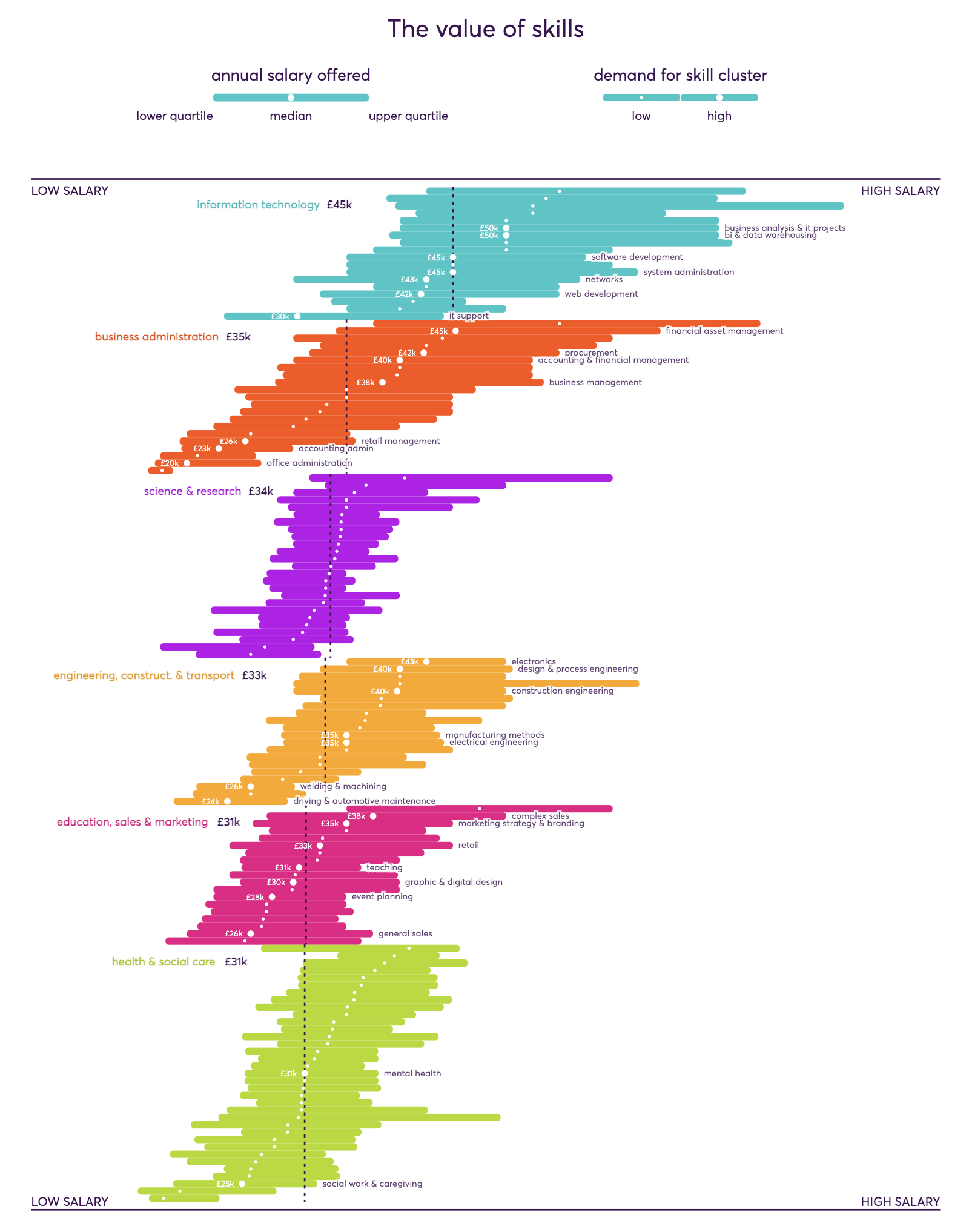
The skills mix you'll needed for a successful career will change more frequently as technology changes the way we work and live. Use our tools and techniques to navigate all the career choices and information flying your way!

Solve real-world problems
Gone are the days of wondering 'Why am I learning this?!'. Apply what you know in 'Quests' and your own projects. Come up with your own solution to problems that our industry partners find in your city. Receive badges and awards for your ideas.

Social and community centric
There are communities for all kinds of interests, we call them 'Guilds'. Some are led by experts on our team, others are led by learners like you. Guilds curate resources, and are a great place to meet friends and collaborators. Join up up to 3 guilds and attend events in-person and online.

Counts towards university or career
CVs, diplomas and resumes can't communicate the details or depth of your knowledge. We use a learning record powered by the Mastery Transcript. Bring together pictures, videos, code, notes from online courses and badges issued by our industry partners to get into uni or land your next job.